The Transformative Power of Music
Have you ever been driving along, minding your own business, when suddenly “that song” comes on the radio? In an instant, everything changes. You’re no longer just driving—you’re transported. It might fill you with inspiration, bring back the warmth of a cherished memory, or quietly overwhelm you with emotion as you remember someone you’ve lost. Music has a remarkable way of reaching into our hearts and stirring feelings we didn’t even realize were there.
All of us carry memories tied to the music in our lives. We remember the songs that defined our youth—the ones we played on repeat, the ones that seemed to understand us when no one else did. Some of us recall the gentle familiarity of hymns sung in church or the nervous excitement of performing in school programs. Movies use music to pull us deeper into their stories, wrapping emotion around each scene. And sometimes, long after the details of the film have faded, the music remains—echoing in our minds.
Music has always been a source of comfort and connection—and this truth is reflected throughout the Bible. In Psalm 98:4 we are reminded, "Make a joyful noise to the Lord, all the earth; break forth in joyous song and sing praises." Music and song have long been ways for people to express praise, gratitude, and trust in God. Parents softly sing lullabies to soothe their babies, creating a sense of safety and love. One of the first gifts we give children is music—simple songs filled with rhythm and joy. As we grow, music becomes part of life’s most meaningful moments: birthdays filled with laughter, weddings overflowing with love, graduations marking new beginnings, and even funerals where melodies help us grieve and remember.
Throughout Scripture, music is also used as a source of comfort and healing. In 1 Samuel 16:23, when David played his harp for King Saul,“Saul was refreshed and was well, and the distressing spirit departed from him.” In both ancient times and today, music has the power to calm troubled hearts and bring peace in moments of distress.
What Happens in Our Brain When We Listen to Music?
When we listen to or create music, our brains come alive. Blood flow increases to areas responsible for emotion, and the limbic system—the center of memory and feeling—becomes especially active. In a very real way, music doesn’t just pass through us; it becomes part of us in those moments.
Have you ever felt chills while listening to a powerful song? That sensation is often caused by the release of dopamine, the brain’s “feel-good” chemical associated with pleasure and well-being. Even more fascinating, once a song becomes familiar, your brain may begin to release dopamine after just a few notes—as if it’s eagerly anticipating the joy it knows is coming.
The Bible also speaks to the emotional power of music. In Ephesians 5:19, believers are encouraged to“speak to one another with psalms, hymns, and songs from the Spirit. Sing and make music from your heart to the Lord.” This reflects how deeply music is tied not only to emotion, but also to spiritual expression and connection.
Researchers have also found that music can move us emotionally even when we don’t fully understand it. People with certain brain injuries may lose the ability to recognize melody, yet still feel the emotion behind the music. This reveals something profound: our connection to music runs deeper than logic or language—it is rooted in feeling.
Music and Memory
Music is beautifully complex, made up of pitch, rhythm, tone, and countless subtle elements. The brain works hard to weave these pieces together into something meaningful. According to the Journal of Biology, it must “integrate sequentially ordered sounds into a coherent musical perception.”
This process is much like reading. Just as we piece together letters to form words and ideas, our brains assemble individual notes into songs that tell a story. Working memory plays an important role in both, and scientists believe there is a strong connection between how we process music and language. In fact, listening to music may even help the brain think more clearly and adapt more easily—another quiet way it supports us.
The Bible also connects music with memory and teaching. In Colossians 3:16, we are told,“Let the word of Christ dwell in you richly… singing psalms, hymns, and spiritual songs, with gratitude in your hearts to God.”Music helps us remember truth, carry it with us, and pass it on to others.
Music and Pain Relief
In life’s most difficult moments, music often becomes a source of comfort. Women listen to music during labor, finding strength and calm in its rhythms. Families play or sing songs for loved ones nearing the end of life, offering peace, connection, and a sense of presence when words fall short.
Part of music’s healing power comes from its ability to gently draw our attention away from pain. A familiar melody can ease discomfort, while the release of dopamine creates a sense of calm and well-being. For a moment, the weight we carry feels a little lighter.
Scripture echoes this comforting role of music. Psalm 147:3 reminds us, “He heals the brokenhearted and binds up their wounds.”Often, music becomes one of the ways we experience that healing—helping us process grief, find hope, and feel less alone.
There is also evidence that music’s impact may be physical as well as emotional. Because sound waves are vibrations, they can affect the body directly. Studies have shown improvements in motor function among individuals with cerebral palsy who received vibroacoustic therapy, which uses low-frequency vibrations applied to the body.
Music meets us where we are—in joy, in sorrow, in uncertainty—and offers something we often can’t find anywhere else. As Exodus 15:2 states, "the Lord is my strength and my song, and he has become my salvation." As we sing unto the Lord, he gives us the strength to go on.
While scientists continue to explore how music affects the brain, we don’t need all the answers to feel its power. We experience it every day—in the songs that move us, comfort us, and remind us that we are never truly alone.
An afternoon of sound and reflection
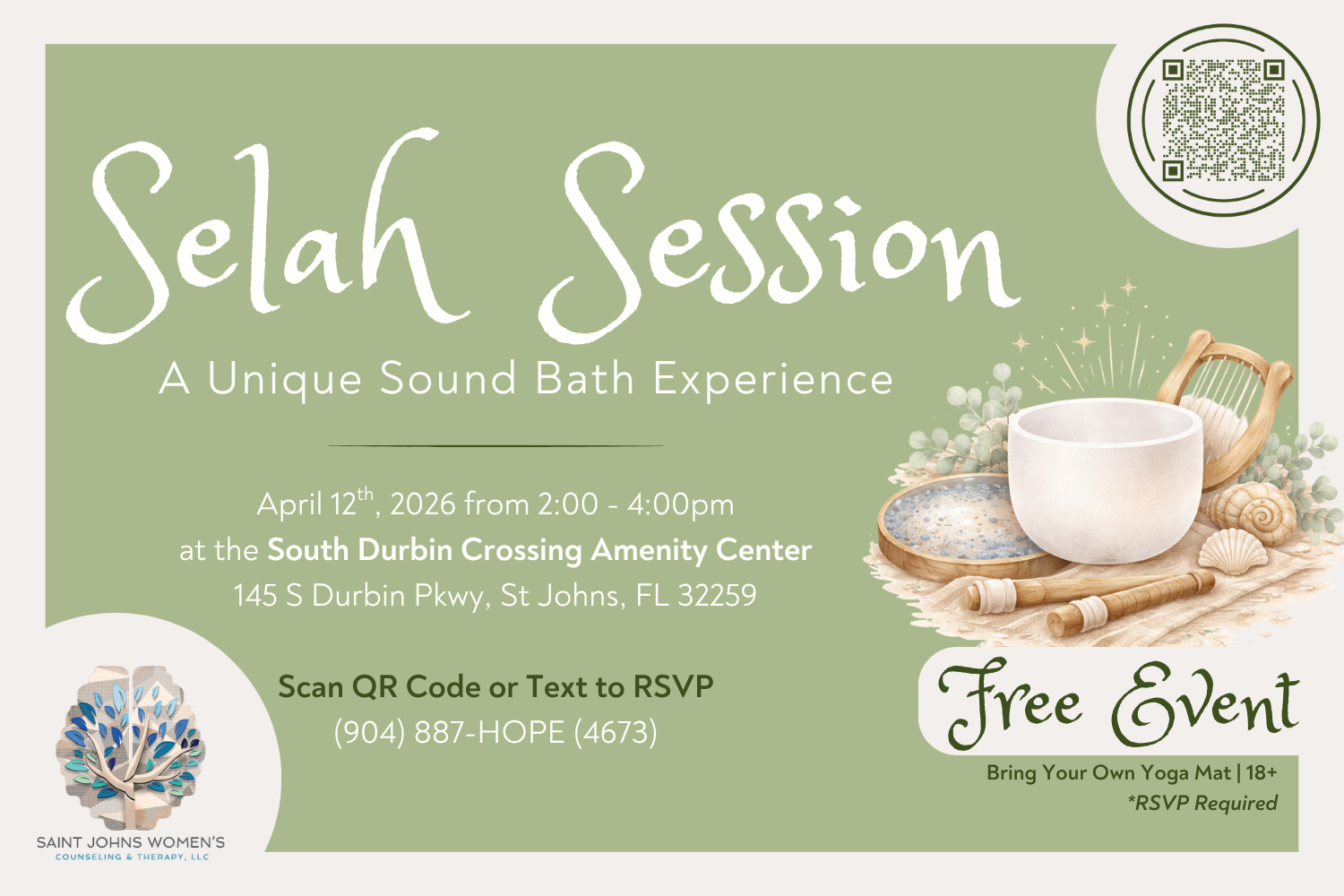
We want to invite you to a Selah Session: A Unique Sound Bath Experience on April 12th, 2026 from 2:00 p.m. - 4:00 p.m. at the South Durbin Crossing Amenity Center.
Bridging the insights of neuroscience with the enduring wisdom of Scripture, we invite you to participate in a meditative experience combining therapeutic sound with Scripture and themes to promote relaxation and a spiritual connection. This event is thoughtfully designed to facilitate relaxation, emotional regulation, and spiritual reflection through carefully curated sound and biblical insight.
This experience will offer a space for intentional stillness, reflection, stress reduction, and spiritual renewal.